고정 헤더 영역
상세 컨텐츠
본문
Hello, this is Opal.
Pompeii has always been a source of fascination for history and archaeology enthusiasts. When you hear the name “Pompeii,” you probably think of the city buried by Mount Vesuvius’ eruption, along with its people, buildings, and everyday objects. But today, I want to share a particularly special story. It’s about the discovery of a private bath in Pompeii, which offers a glimpse into the quality of life enjoyed by ancient Romans. Truly, this is an incredible find!
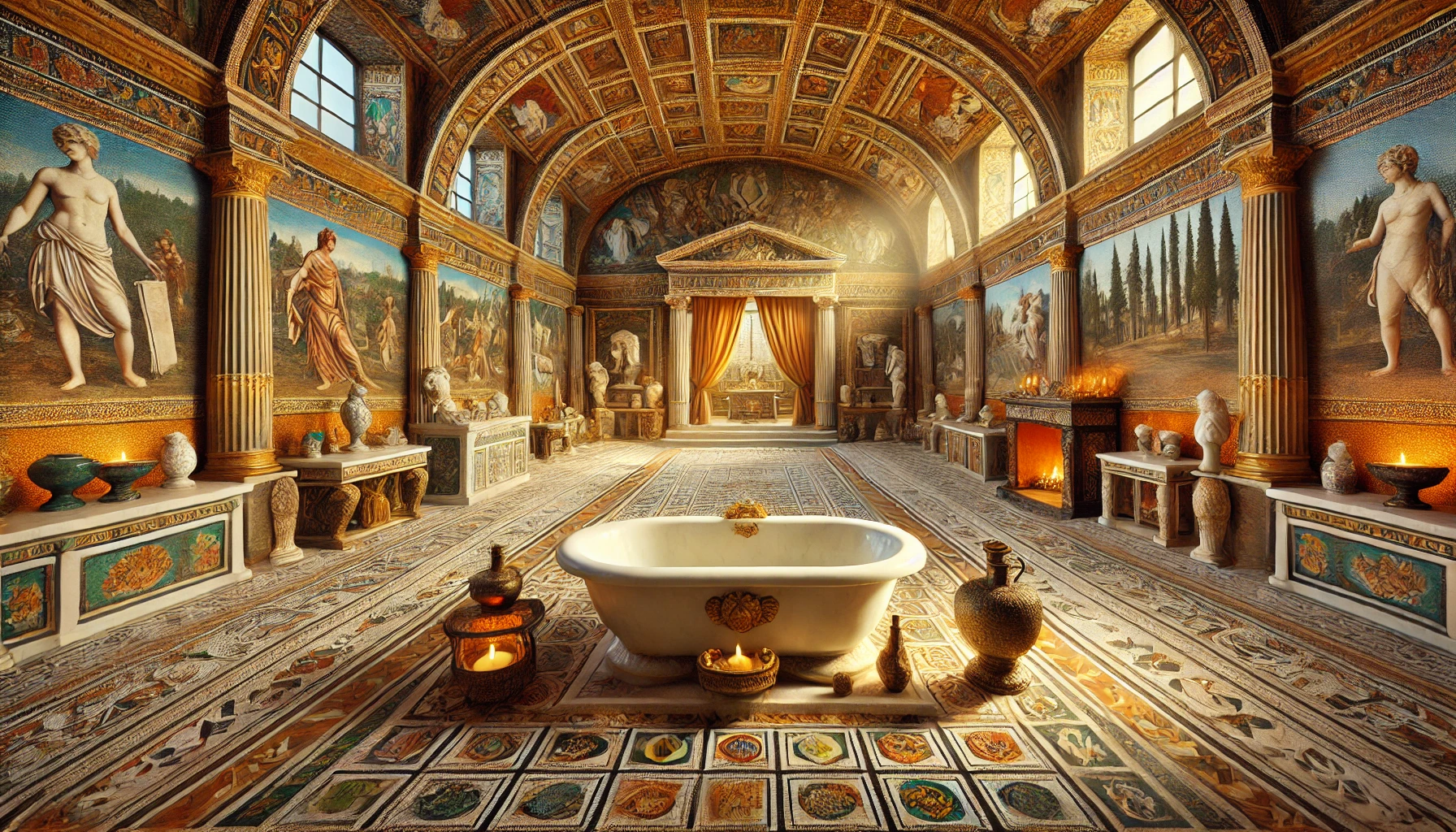
Not a Public Bath, but a Private One?
The people of Pompeii loved baths. And for them, it was more than just a way to clean their bodies. Public baths were places to socialize with neighbors, discuss business, and even engage in political debates. They were essentially community hubs. However, the discovery of a private bath used by Pompeii’s wealthy elite caused quite a stir in the archaeological world.
Private baths were rare even in ancient times, accessible only to the very wealthy and influential. Yet the private baths unearthed in Pompeii were extraordinary for their beauty and meticulous design. They featured hypocaust systems (underfloor heating) and sophisticated setups to maintain warm water. Marble tubs, ornate mosaic floors, and fresco-adorned walls made them stand out as masterpieces of luxury.
The most intriguing discoveries, however, were the small artifacts found within the baths. These included decorative items carved in animal shapes, glass perfume bottles, and intricately designed metal hairpins. Evidently, Pompeii’s residents also cared about beauty and fragrance. Particularly striking were the perfume containers, which showcased elegant designs, revealing how much effort Romans put into personal grooming.
Bathing as a Daily Luxury
What the private bath reveals isn’t just cleanliness, but the philosophy of life that ancient people cherished.
For Romans, bathing wasn’t just a routine; it was a luxurious way to unwind and elevate their quality of life. Wealthy individuals used their baths to flaunt their status and wealth, and the recently discovered private bath is a testament to their aspirations.
Archaeological records indicate that small tables were placed next to the tubs to hold perfumes, oils, and even light snacks, turning bath time into an indulgent experience. It’s like a modern-day spa! Can’t you just imagine the scene in a high-end Roman villa, much like today’s luxury resorts?
What Was Life Like for the Bath’s Owner?
So, what kind of life did the owner of this private bath lead?
Private baths in Pompeii were usually found in the homes of the elite. For them, bathing culture was not just about physical cleanliness but also about mental relaxation and living a life of sophistication.
Interestingly, the records and artifacts uncovered during excavation also shed light on what they ate and how they spent their leisure time. For instance, the house with the private bath yielded fine wine goblets, intricately crafted silverware, and premium spices—suggesting that the owner often entertained guests with lavish feasts as a way to showcase their affluence.
Moreover, the aroma oil bottles found in the bath likely contained popular fragrances of the time, such as rose and citrus scents. It’s fascinating to think that ancient Romans might have deliberated over, “What scent will lift my mood today?” just as we do.
A Message from Pompeii to the Modern World
The discovery of private baths in Pompeii offers more than just archaeological intrigue.
It highlights how Pompeii’s people didn’t just live to survive; they sought to enjoy and enrich their lives, leaving behind traces of their refined existence. In many ways, they weren’t so different from us today.
Ultimately, Pompeii’s discoveries prompt us to ask ourselves, “How well am I taking care of my own life?” The Romans understood that even something as simple as bathing could improve one’s quality of life. How much effort are we putting into making our lives fulfilling?
Pompeii’s ruins continue to reveal new stories. Beyond the private bath, countless fascinating artifacts from other homes remind us that the people of Pompeii didn’t just “exist” but truly “lived.” Perhaps we could learn from their wisdom and incorporate some of their elegance and leisure into our lives today.
#Pompeii #PrivateBath #PompeiiDiscoveries #ArchaeologyTravel #RomanHistory #MountVesuvius #AncientArtifacts #RomanCulture #PompeiiLifestyle #RuinsExploration
This has been Opal! I’ll be back soon with more fascinating stories.
반응형
'트렌드n직장생활' 카테고리의 다른 글
| Sam Altman: The Magician or the Troublemaker of the AI Industry? (1) | 2025.01.19 |
|---|---|
| 샘 알트먼, AI 업계의 마술사인가 문제아인가? (0) | 2025.01.19 |
| “폼페이 개인 목욕탕에서 찾은 고대인의 럭셔리 라이프” (0) | 2025.01.18 |
| Multimodal Next-Generation Devices: Transforming the Future (0) | 2025.01.18 |
| 멀티모달 차세대 디바이스, 미래를 바꾸다 (4) | 2025.01.18 |


